Rose House
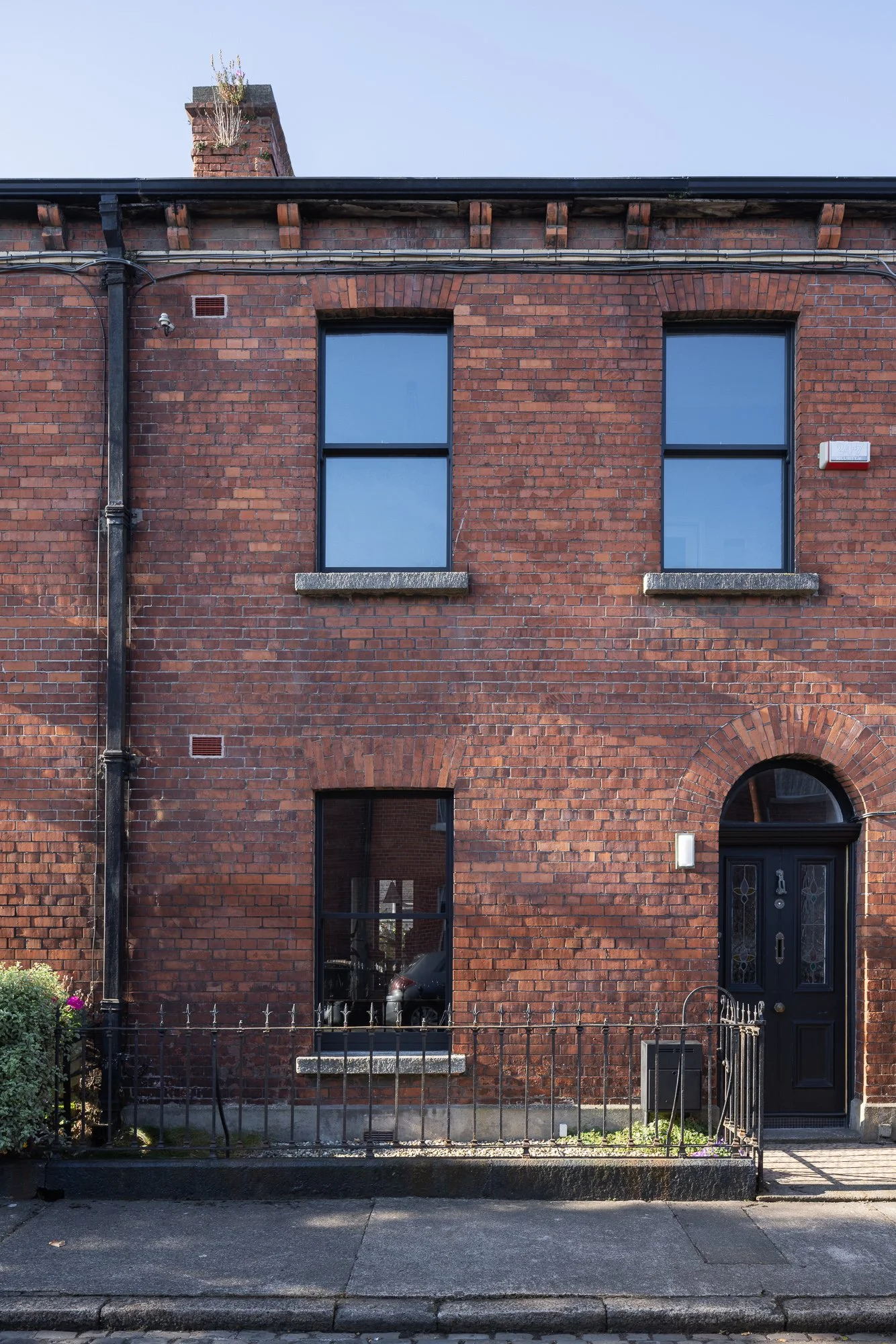
This terraced red-brick home required a considered reworking to better support contemporary family life. A compact kitchen was tucked into the rear return, natural light to the ground floor was limited, and there was little relationship with the garden. Our clients, a young family, wanted a home where cooking, play, and everyday life could happen together, with connected, flexible spaces that could adapt as their children grew.
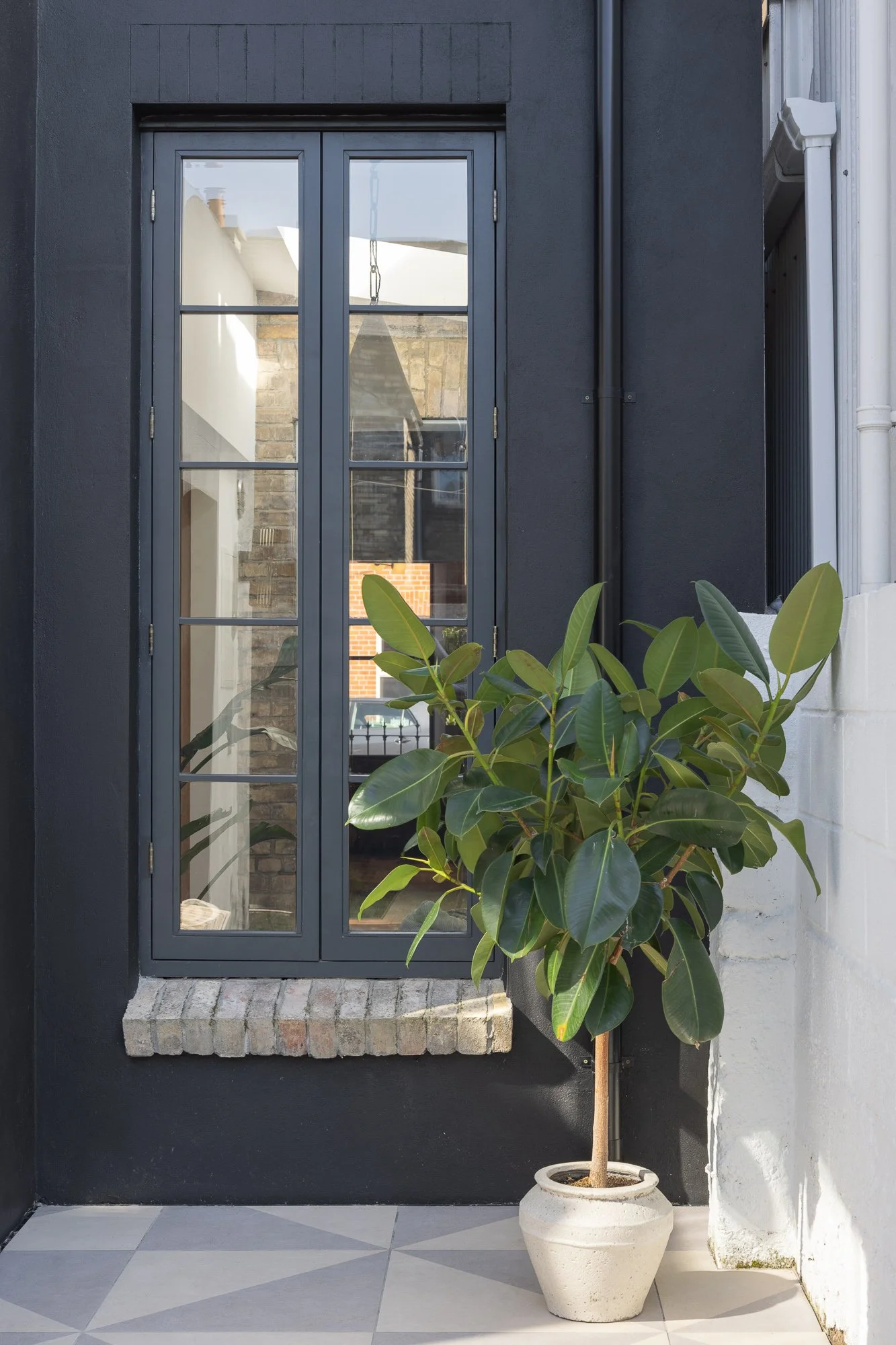
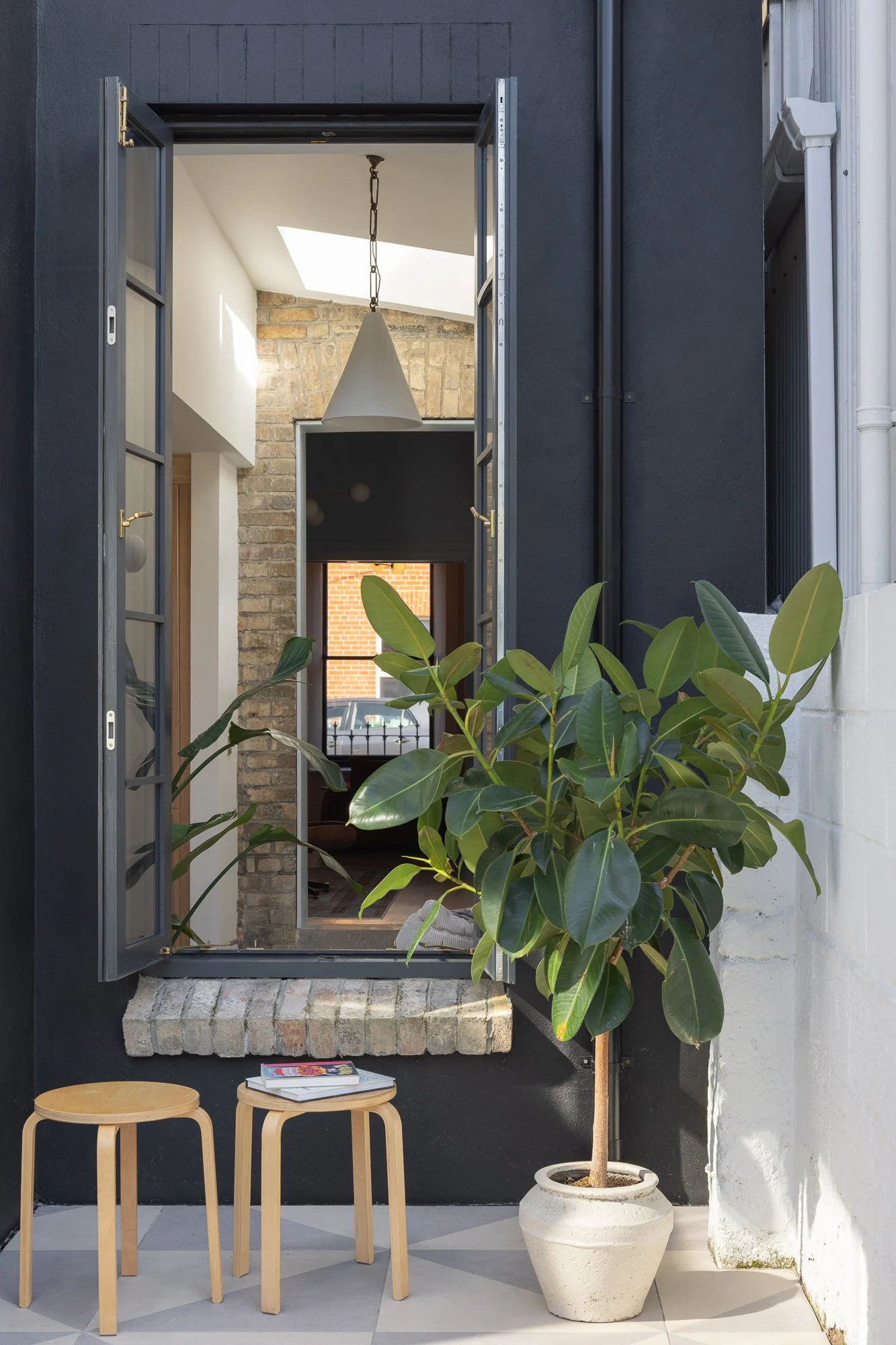
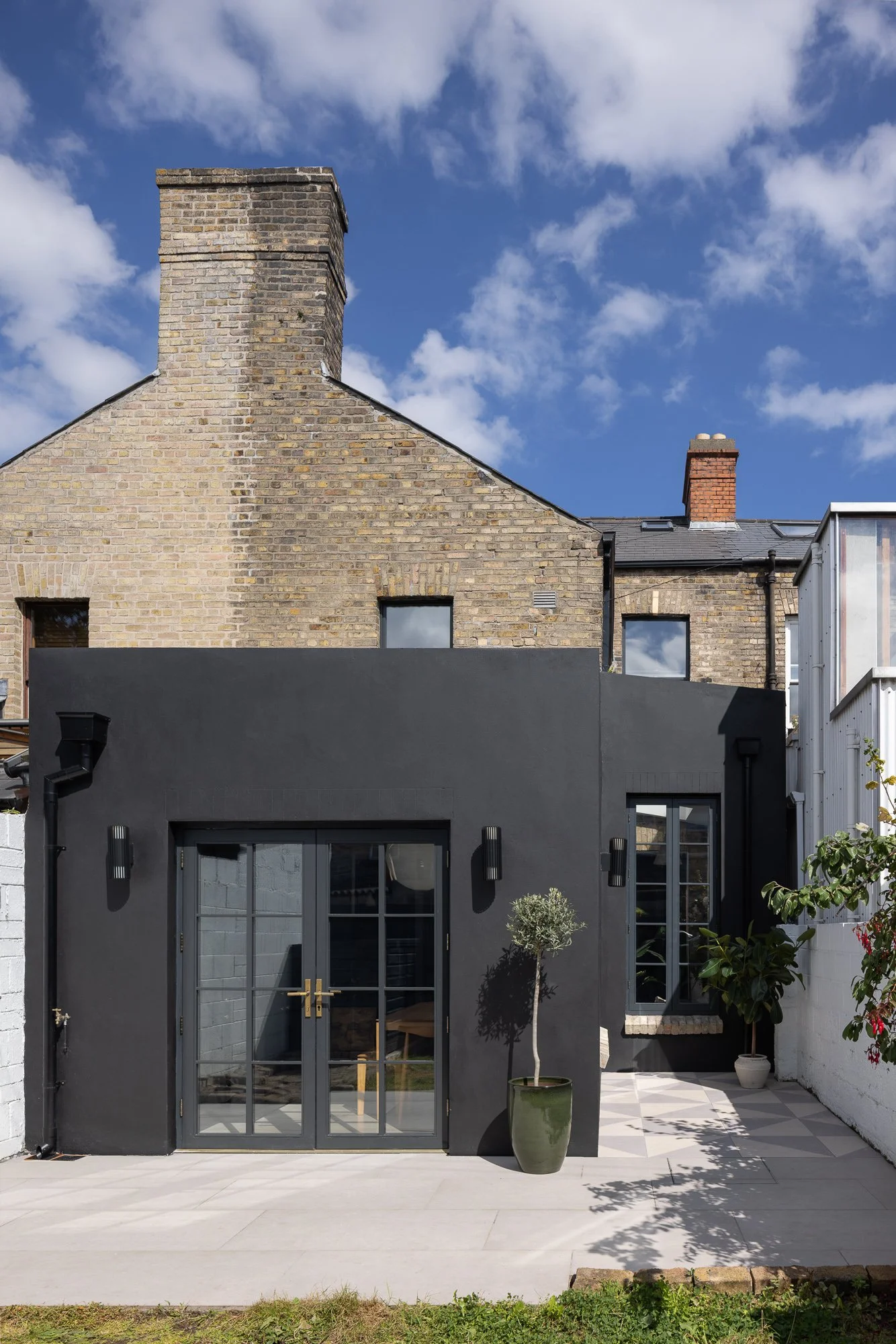
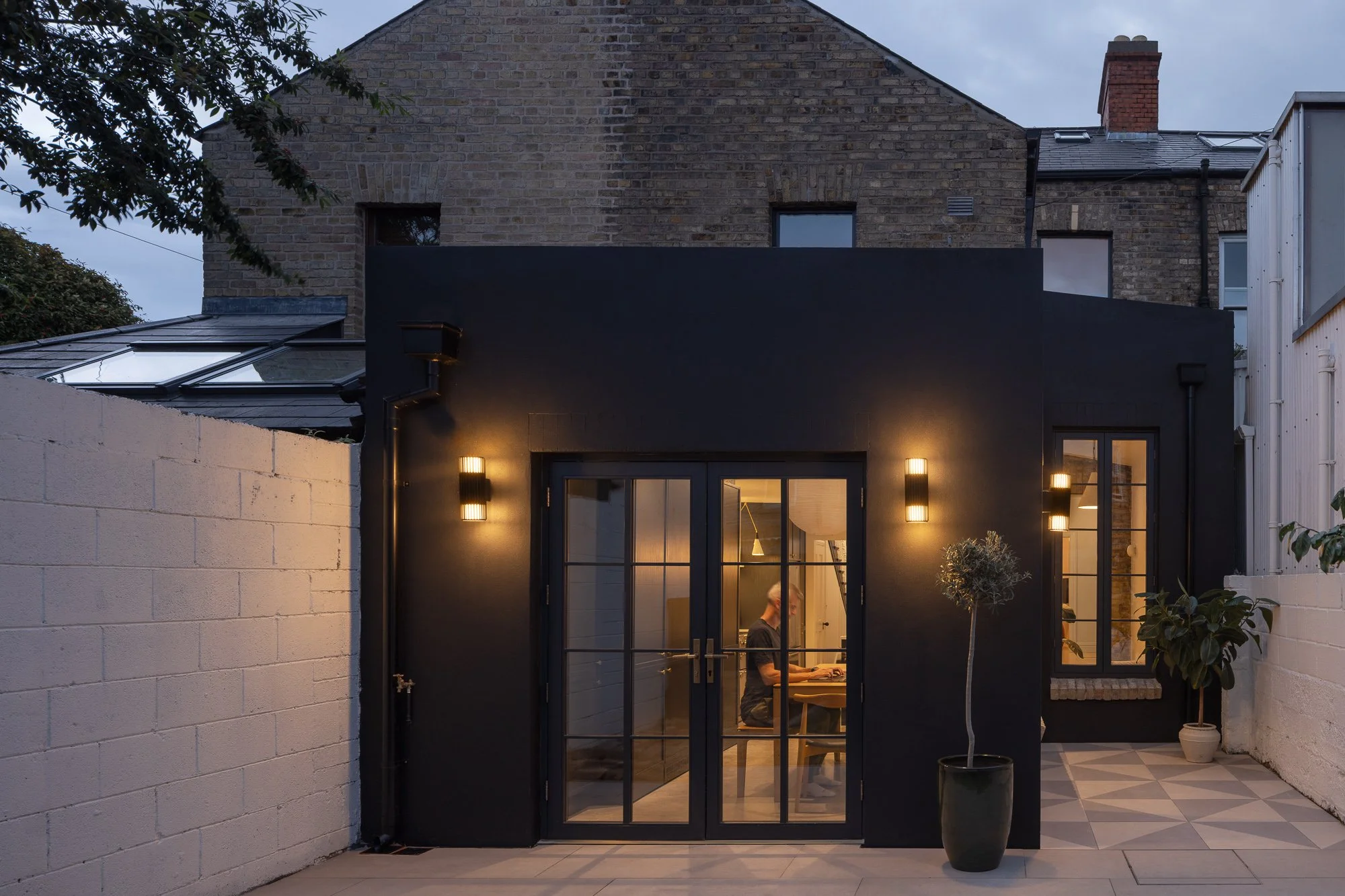
The solution was a carefully considered reconfiguration of the house, restoring clarity, flow, and connection from street to garden. An unsuitable extension was removed and replaced with a crisp rear volume and angled side infill, unlocking light and improving spatial relationships across the ground floor. Painted black, the new forms provide a deliberate counterpoint to the original red brick, clearly articulating old and new. Subtle roof detailing sharpens the silhouette while maintaining a restrained presence.
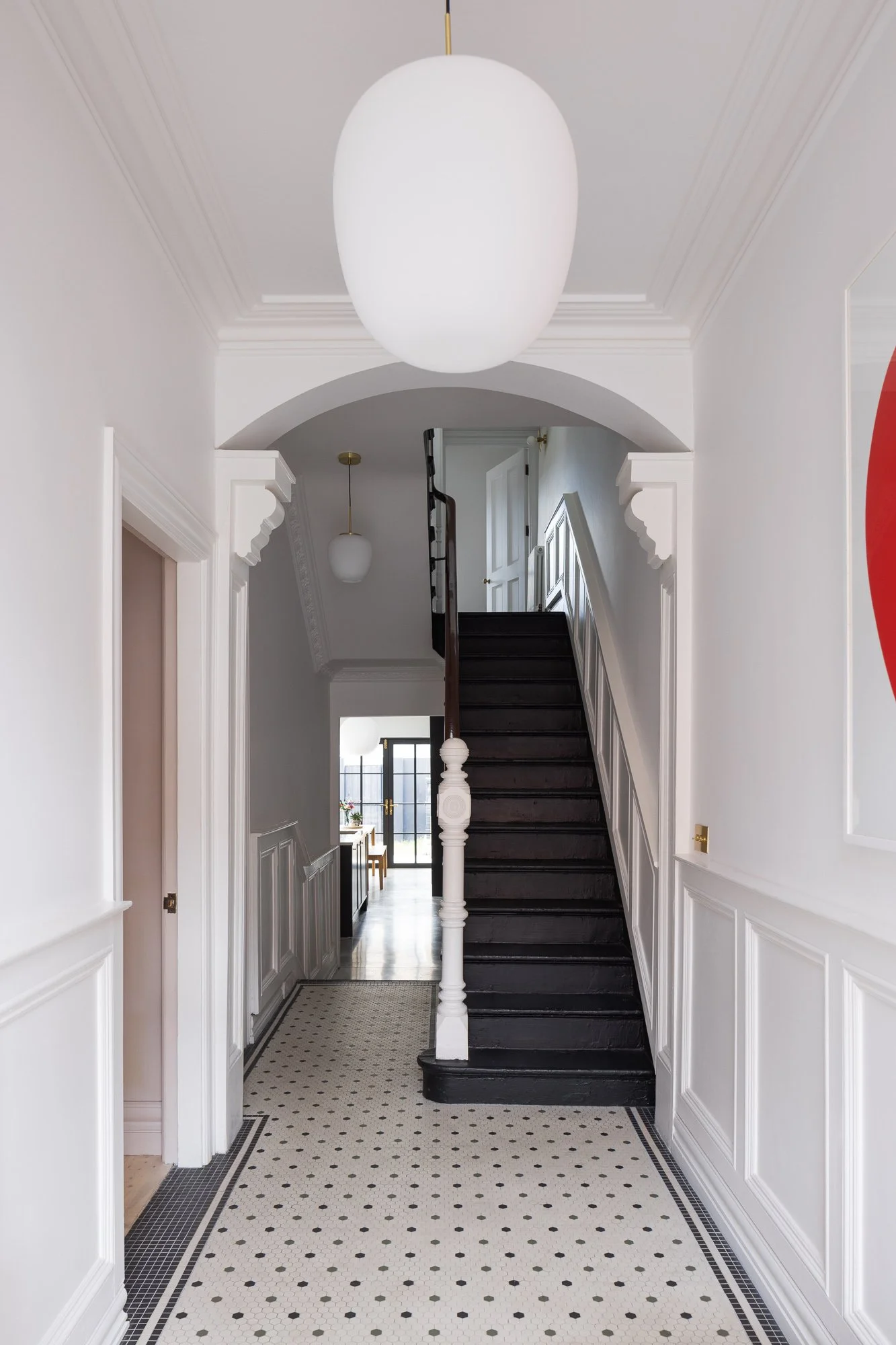
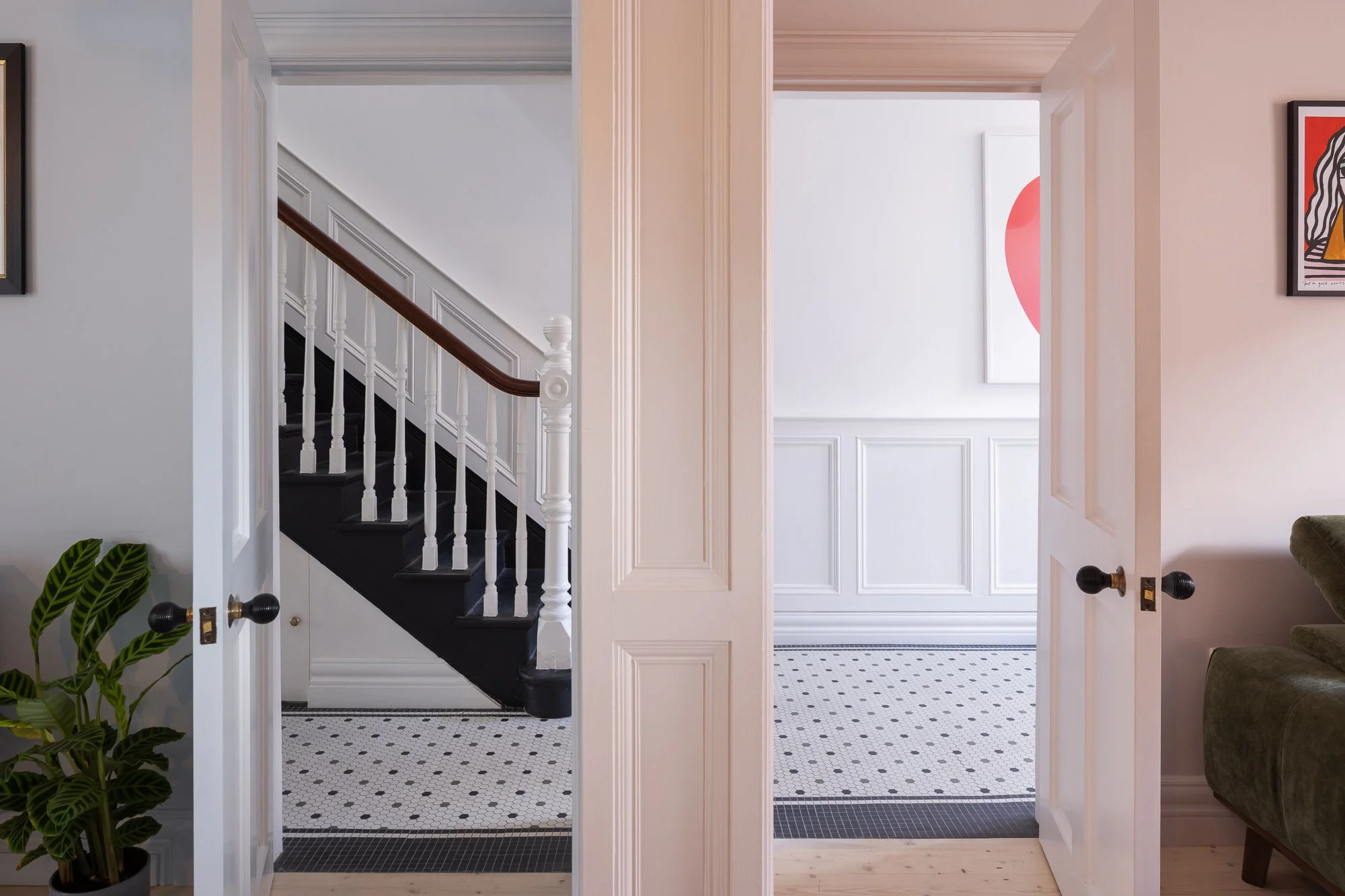
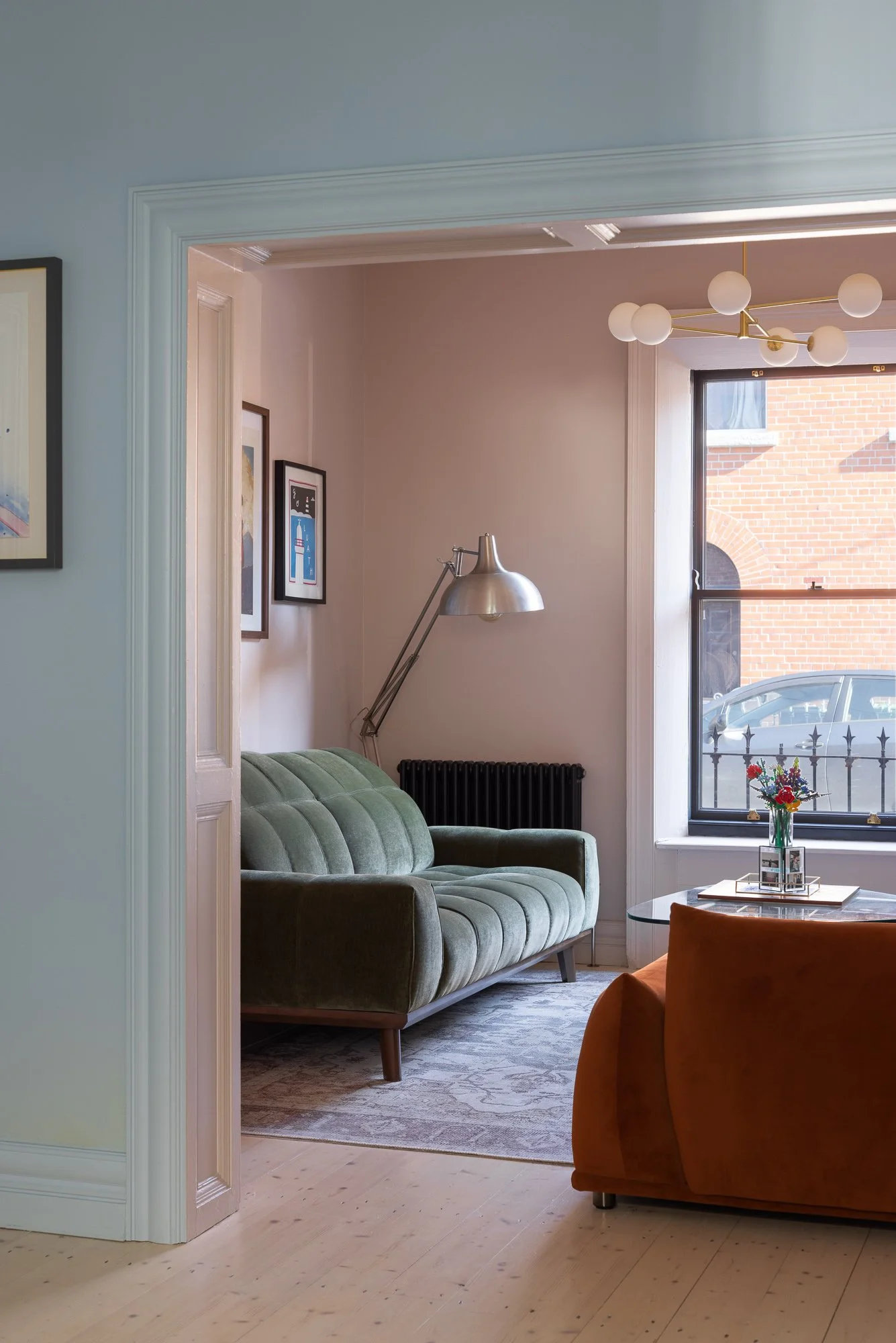
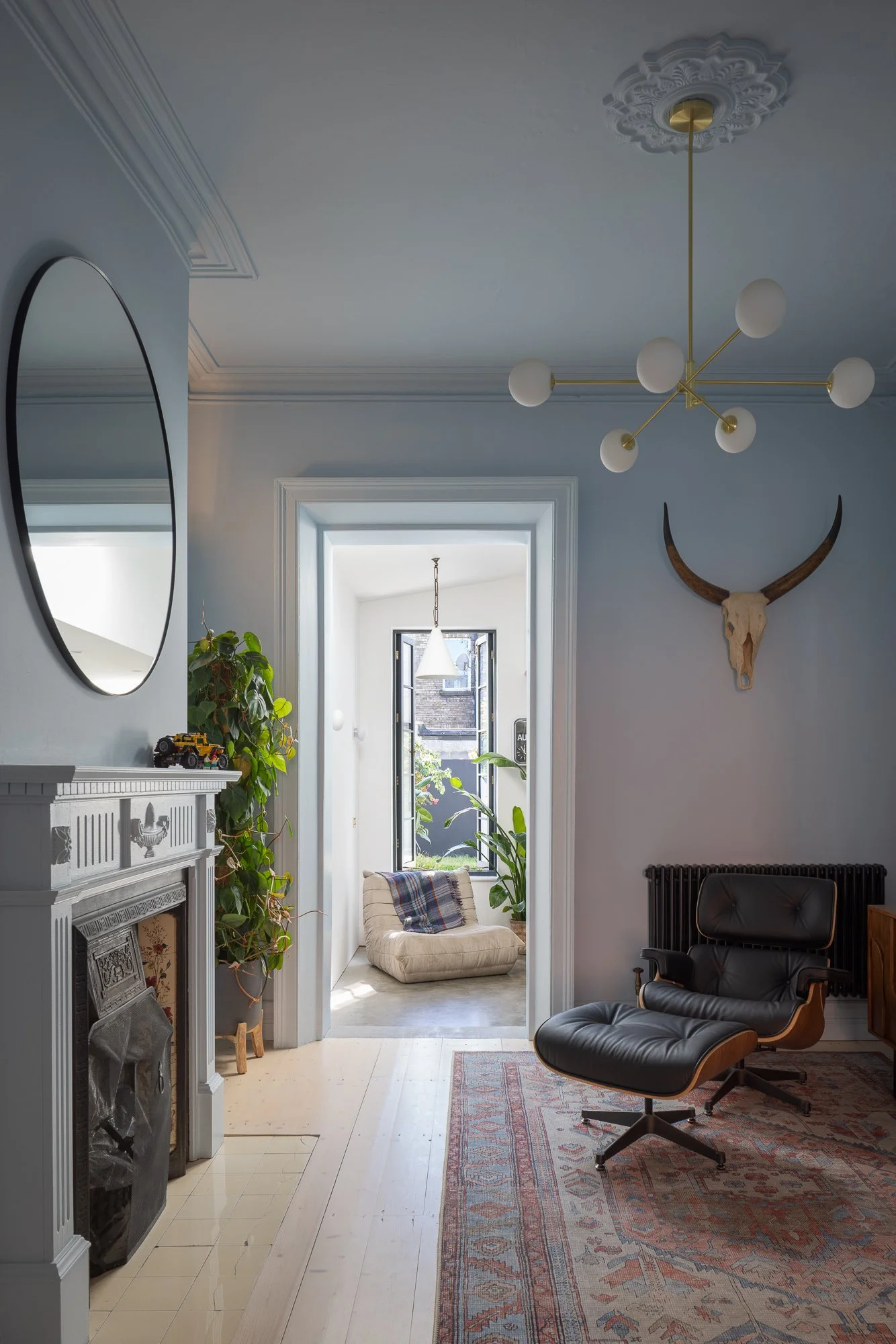
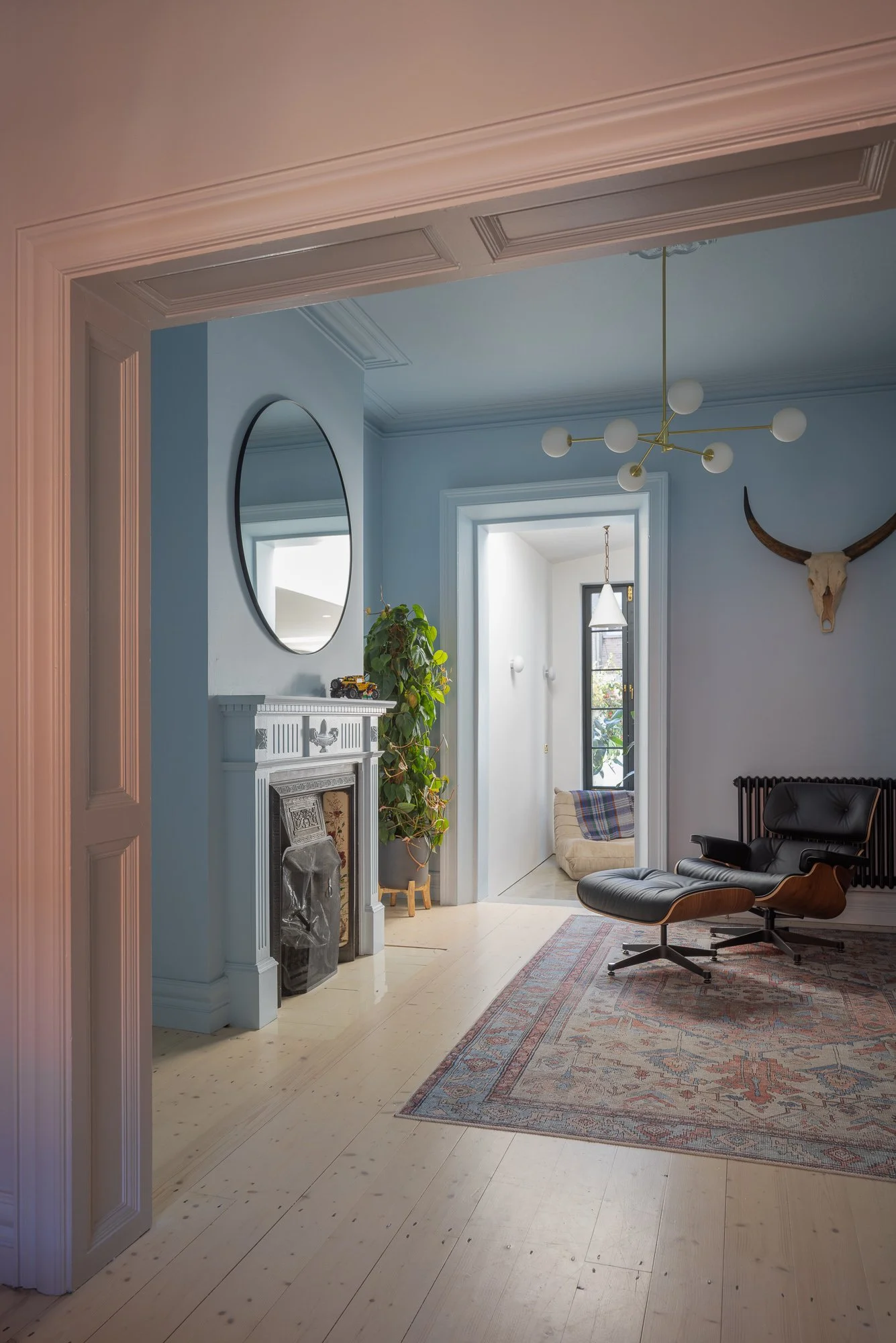
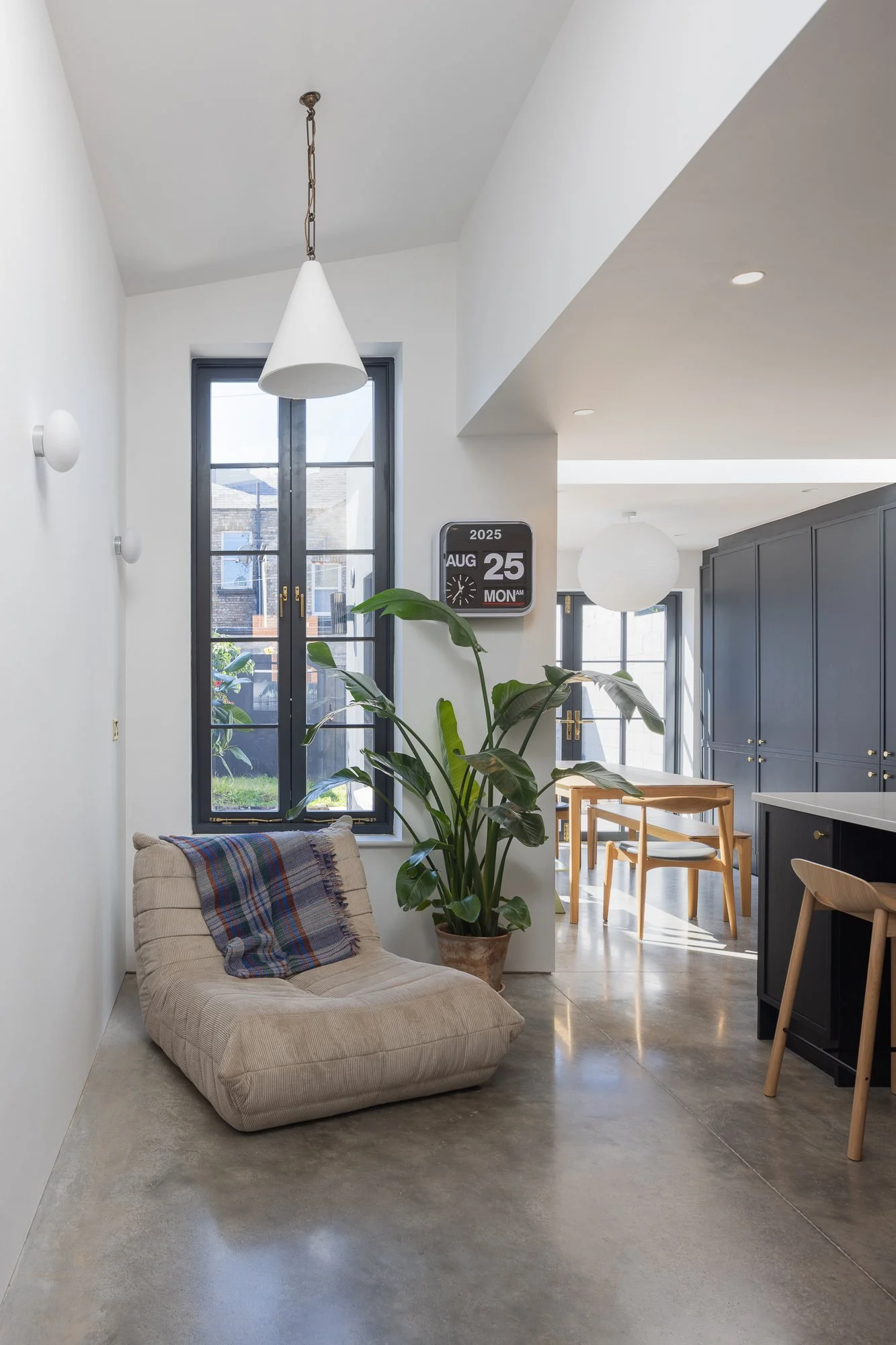
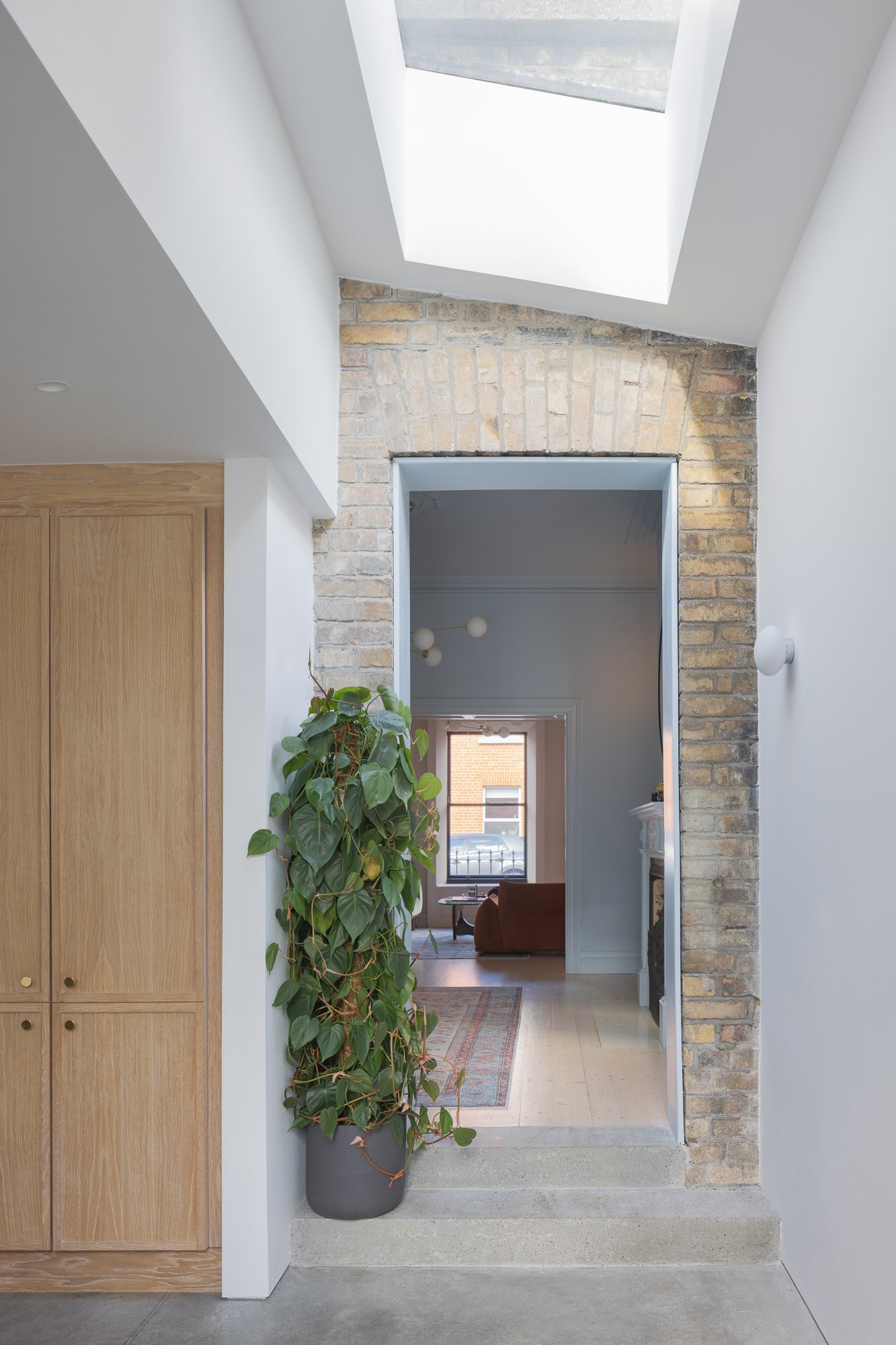
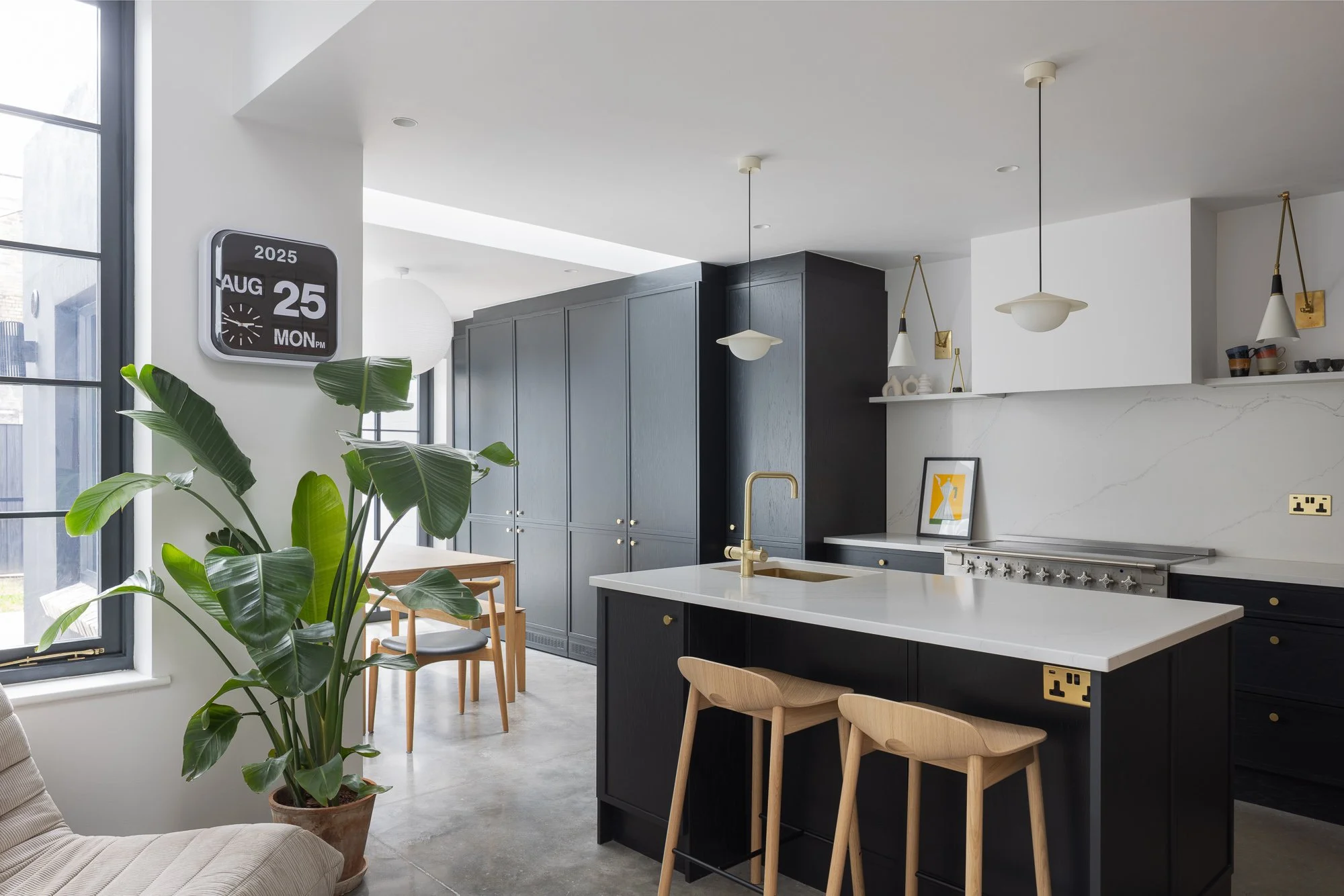
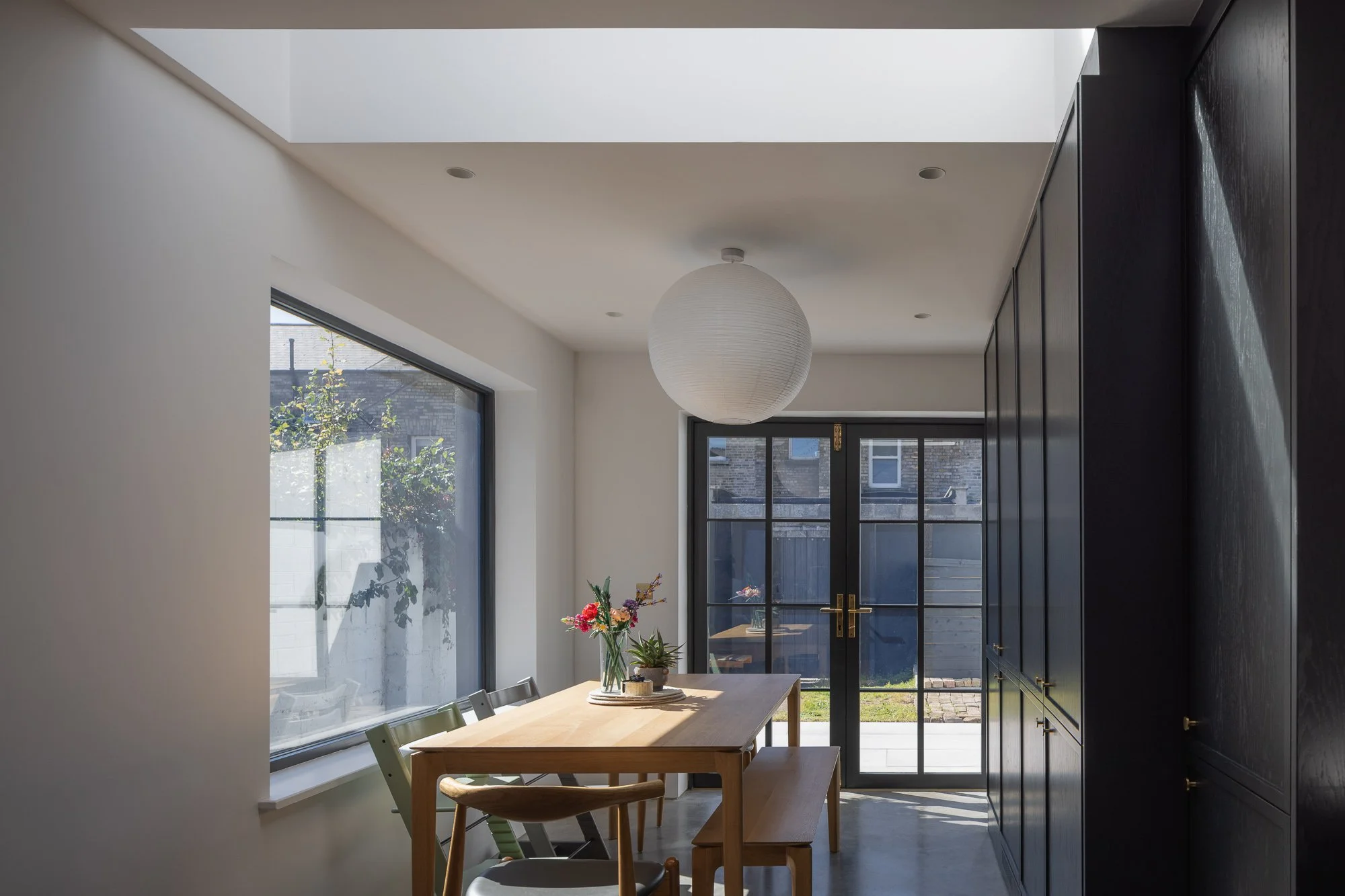
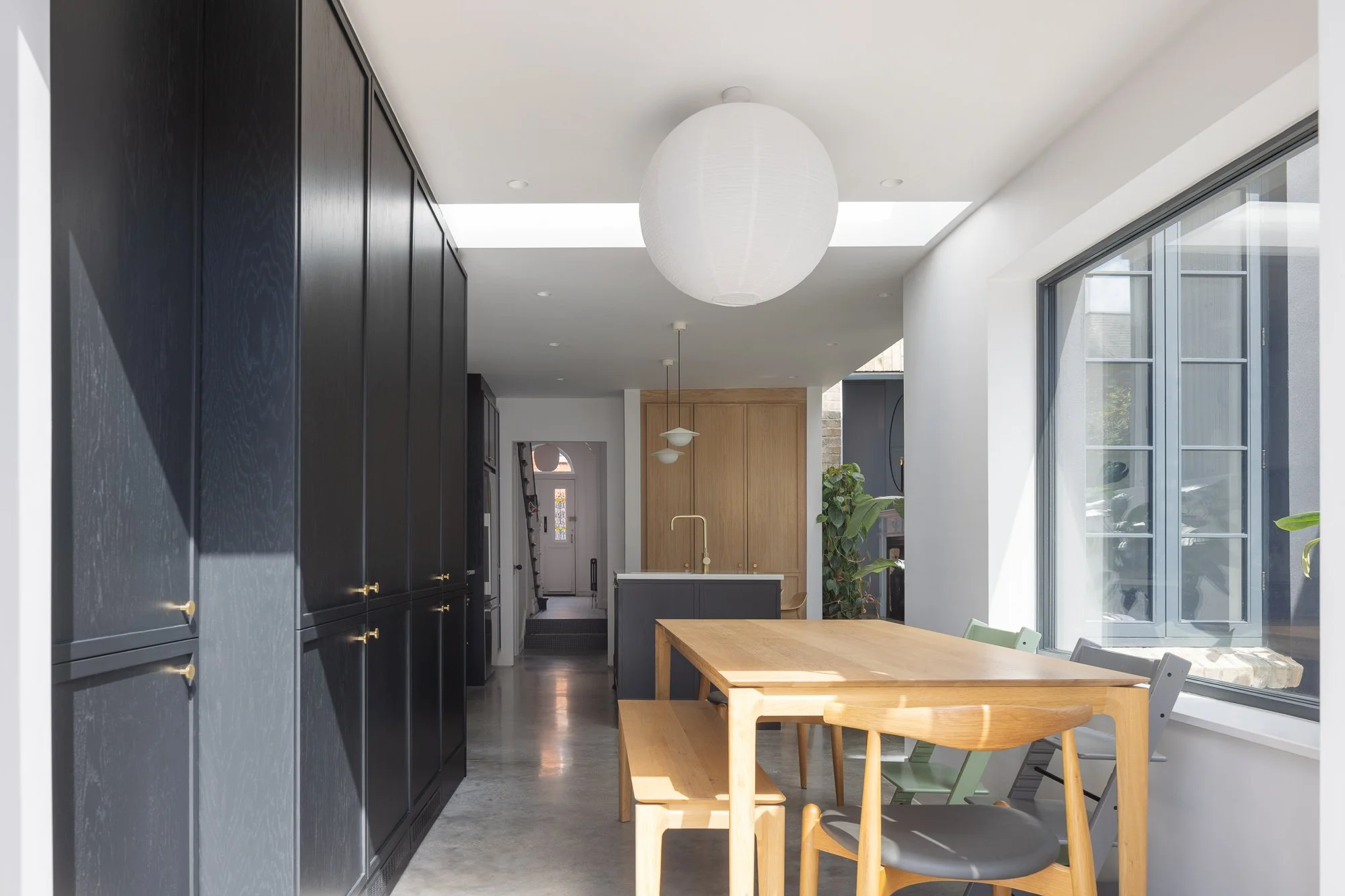
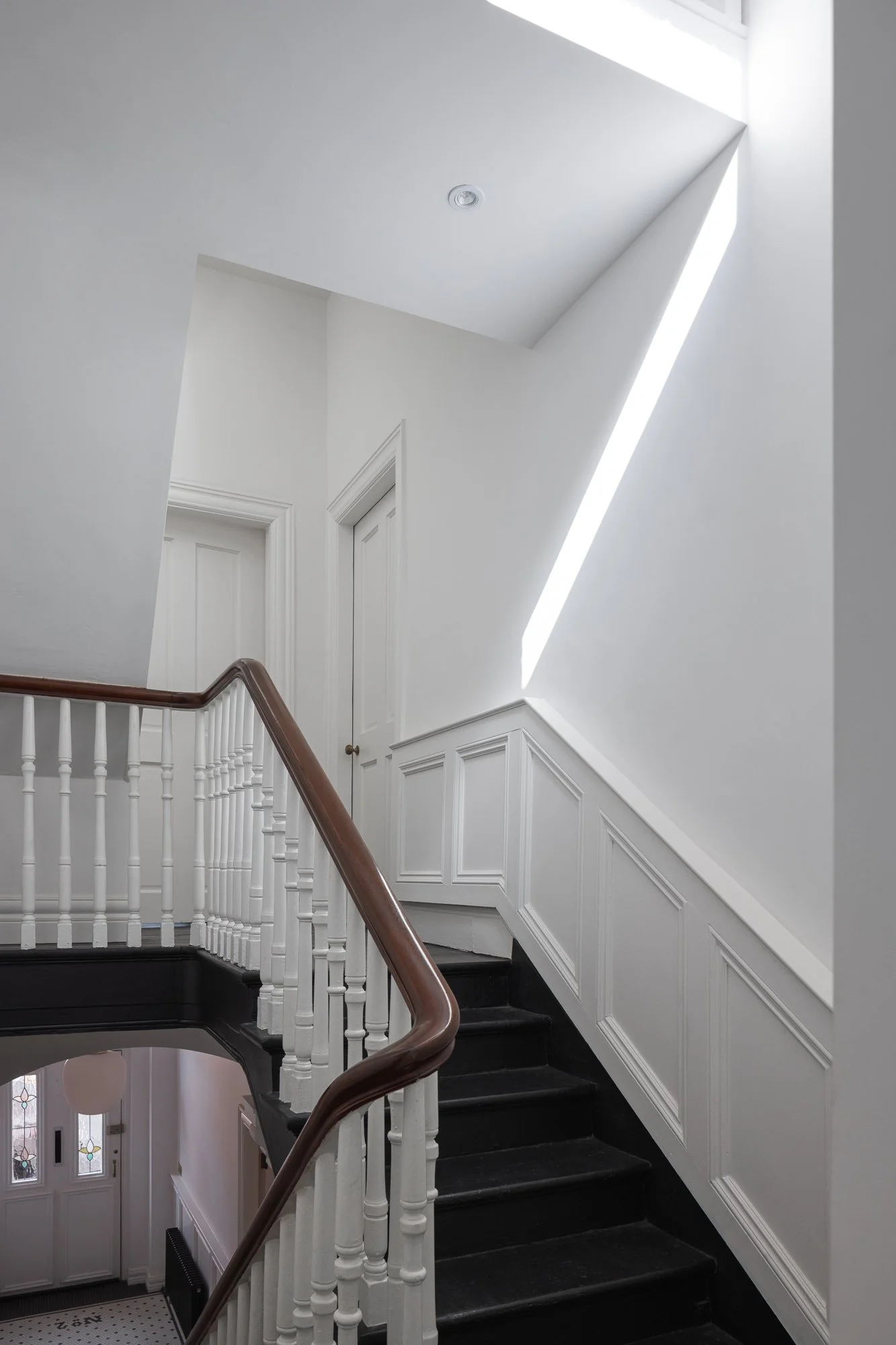
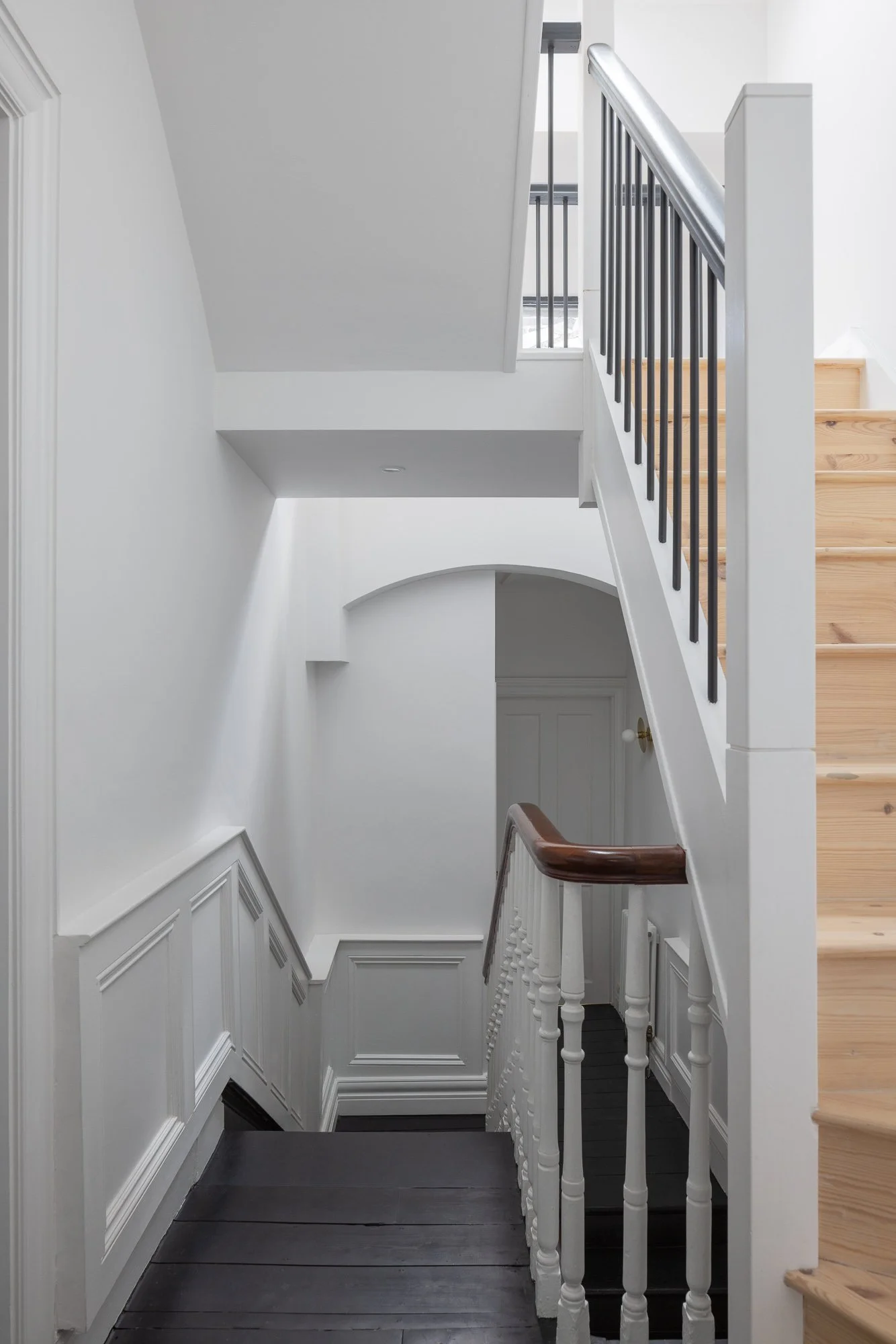
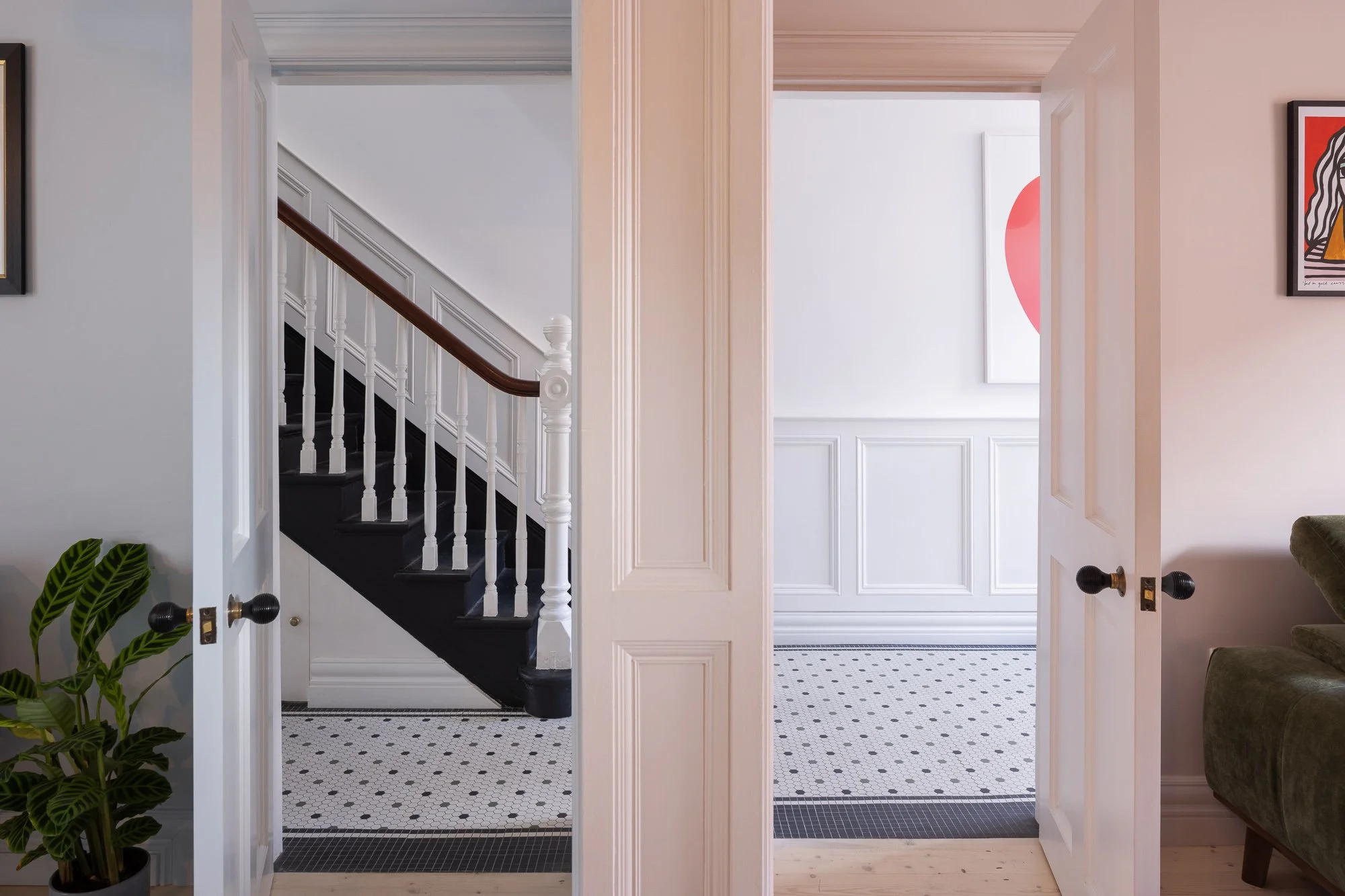
Inside, the elegance of the original hall was reinstated, with cornice and stair carefully restored. Softly coloured reception rooms to the front contrast with the monochrome hall, while a newly elongated opening draws you down into the rear of the house. Here, kitchen, dining, and play space unfold as a single, generous family zone. Long French windows and crittall-style doors reconnect the house to the garden, while roof-lights frame views of brickwork above, reinforcing the dialogue between historic fabric and contemporary intervention.
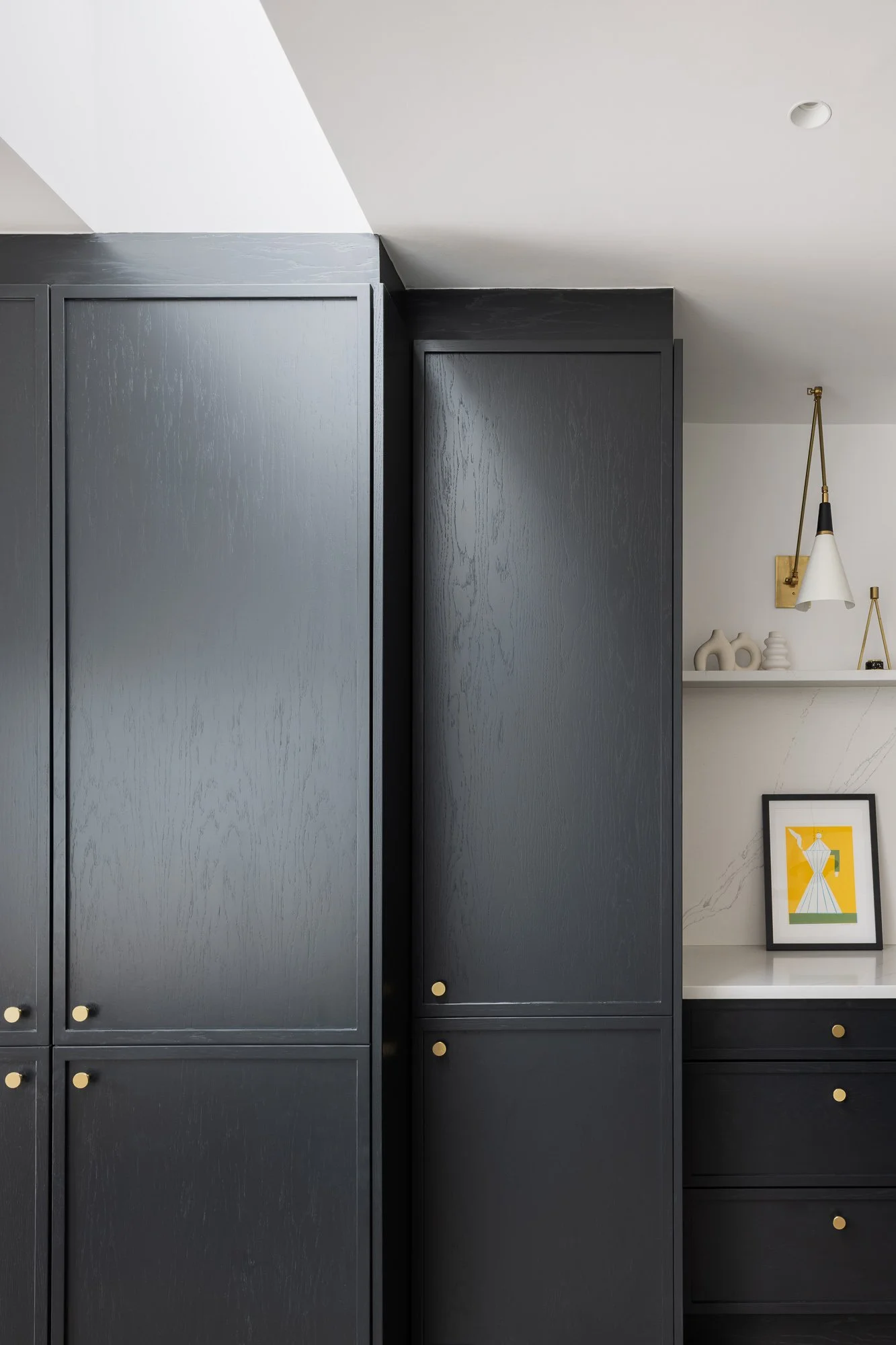
Material transitions guide movement through the house: mosaic and timber floors in the original rooms give way to polished concrete in the extension. The kitchen balances black-stained timber and oak, with a generous island, pantry, and utility supporting daily life. A picture window overlooks a sheltered patio for outdoor dining, with a lawned garden beyond, keeping play at the heart of the home.
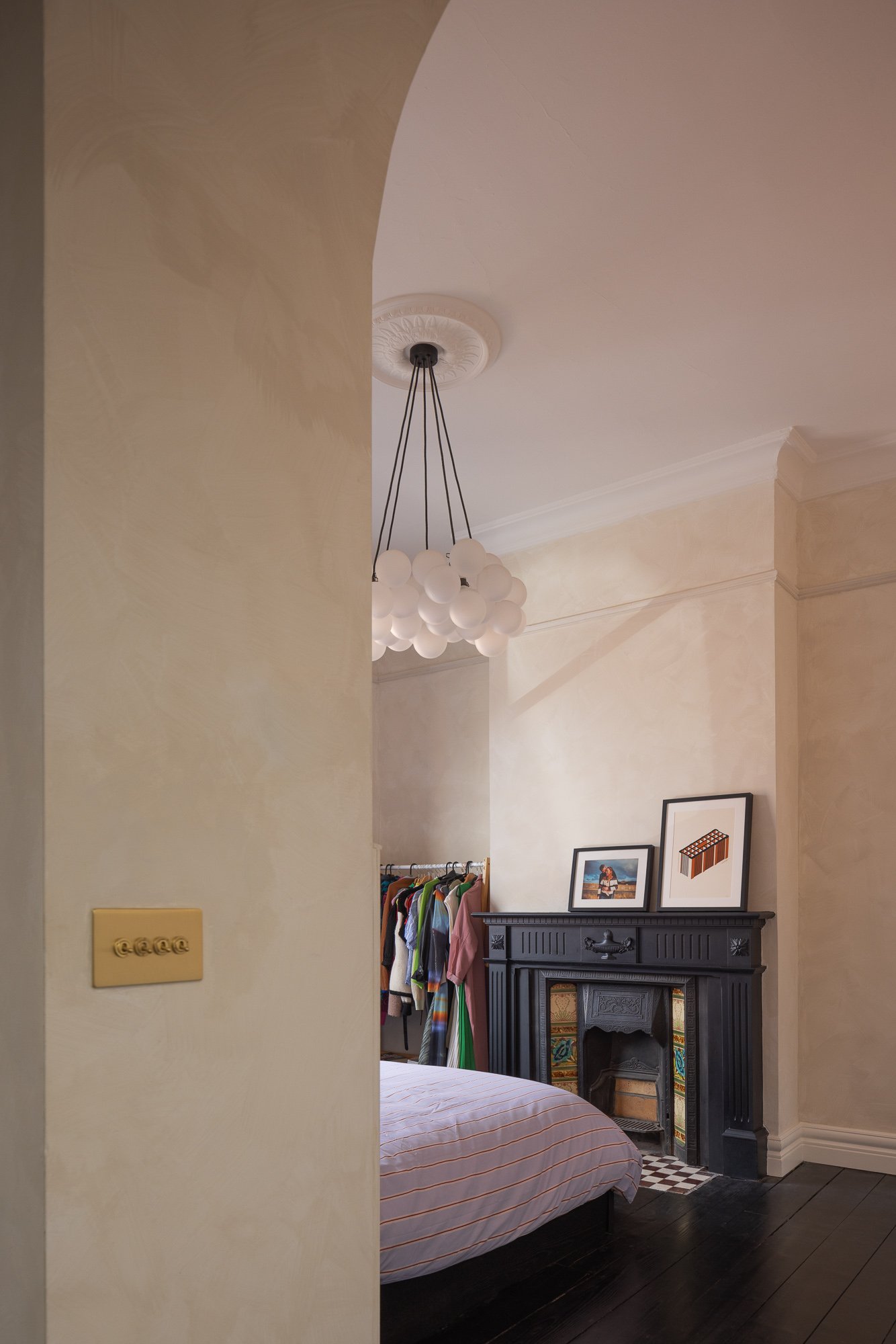
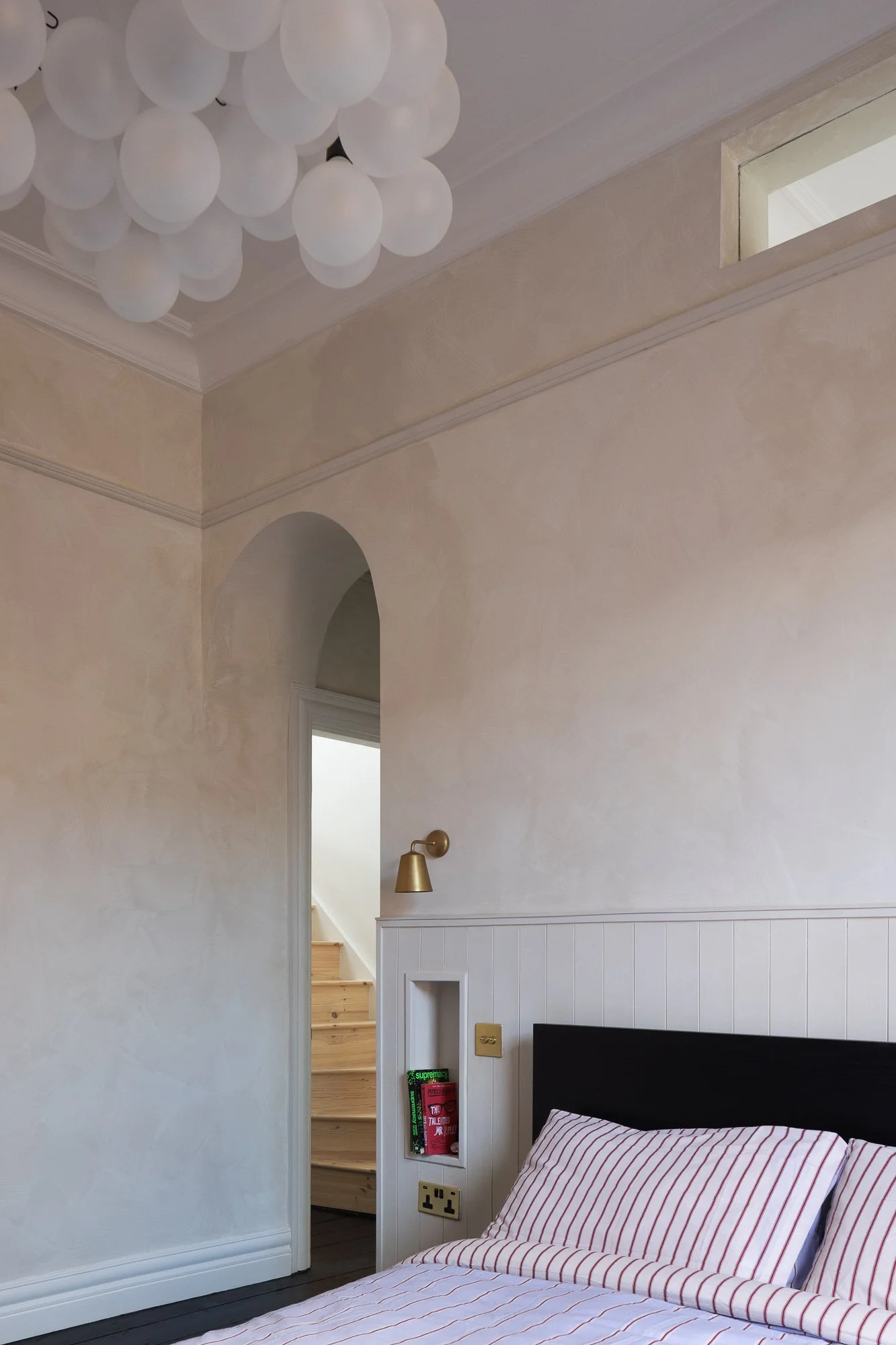
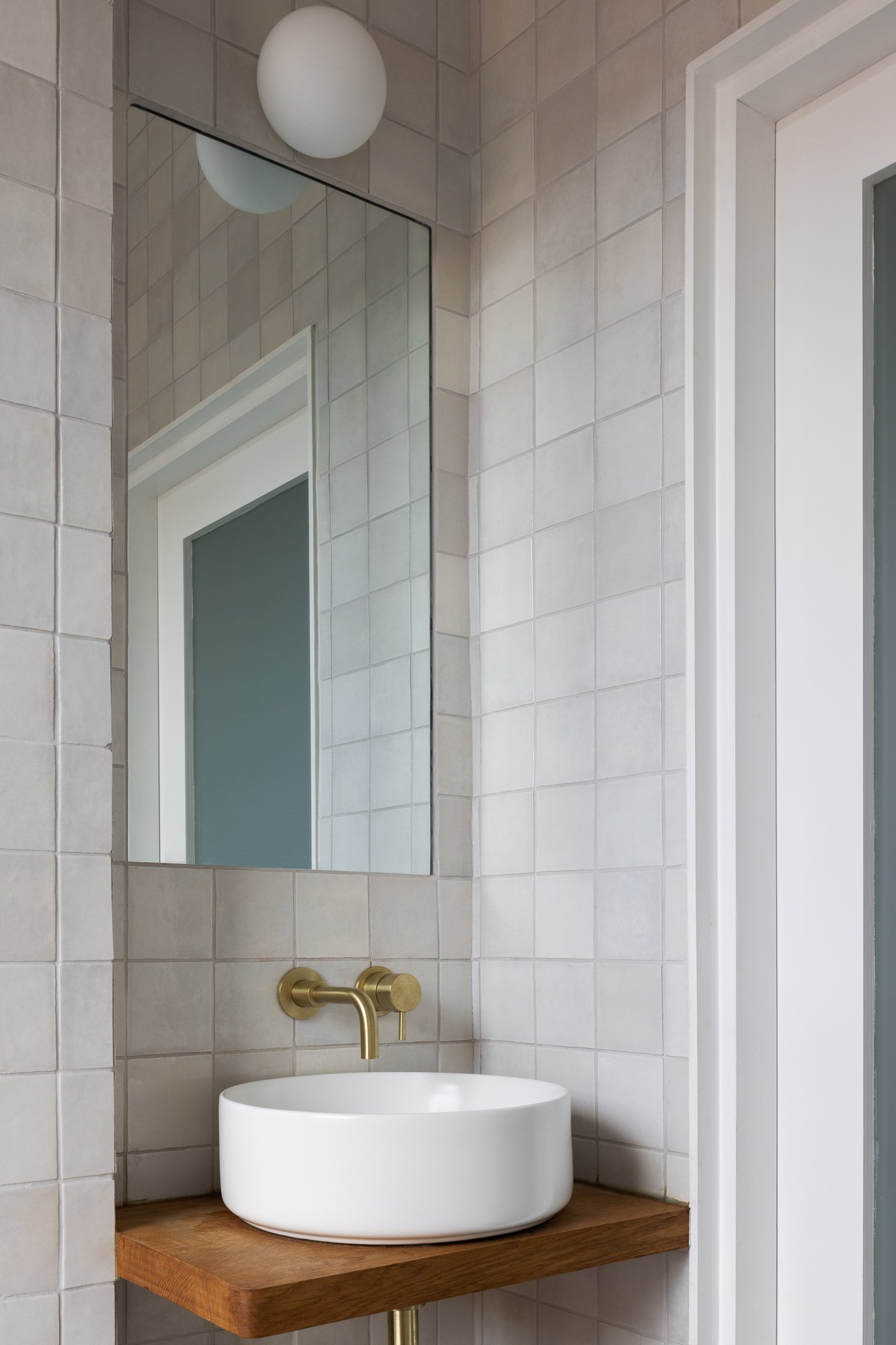
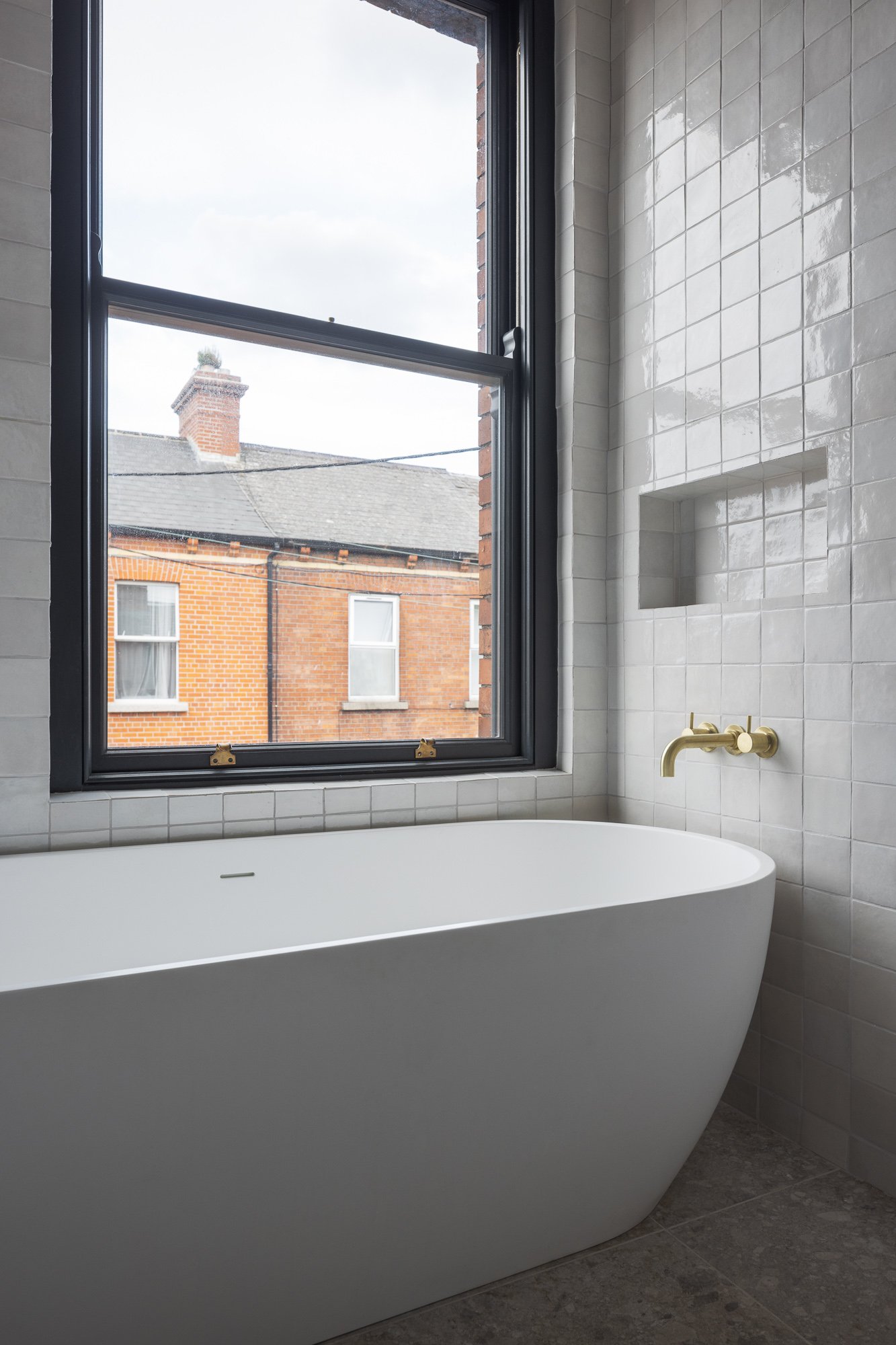
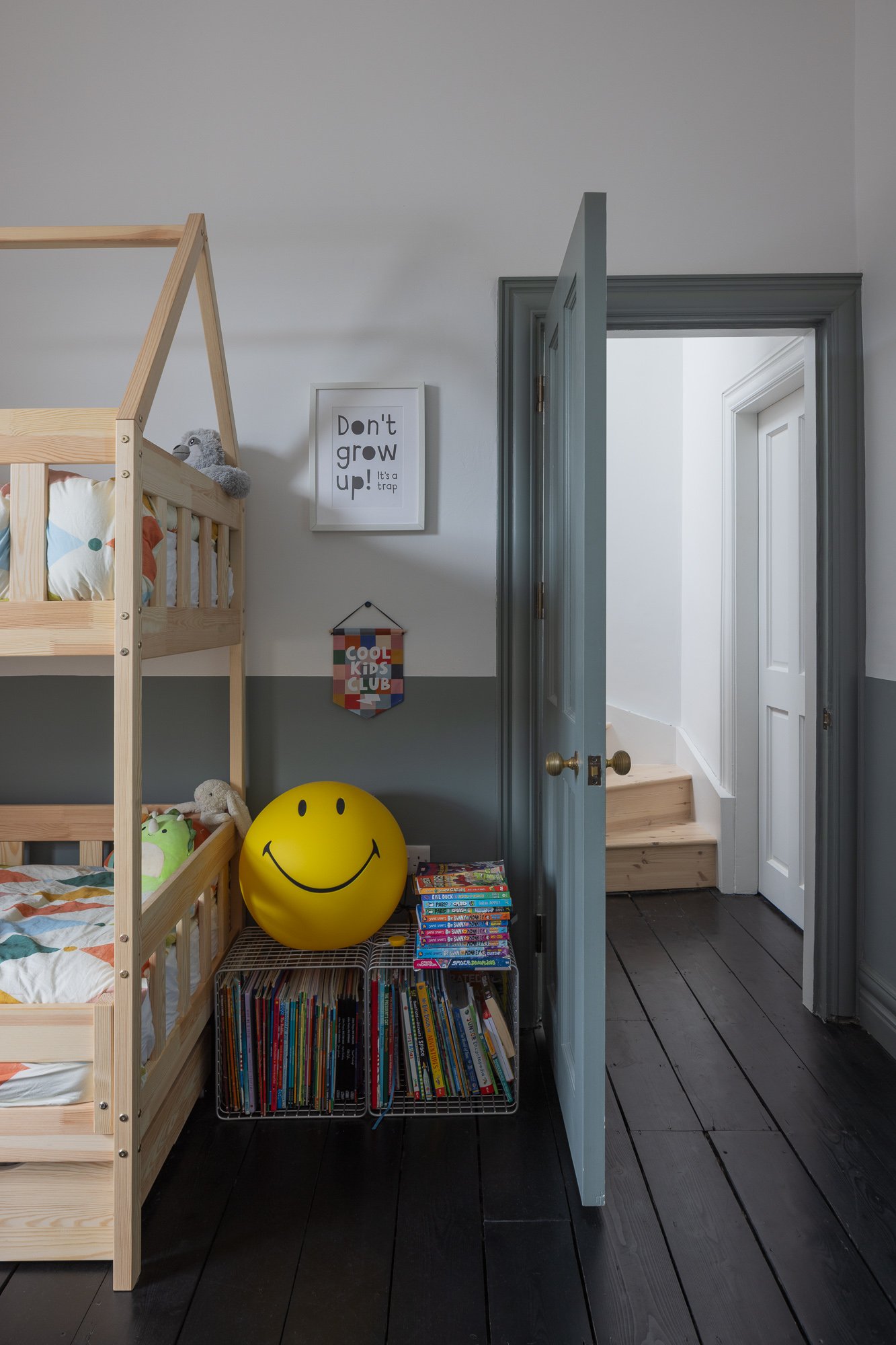
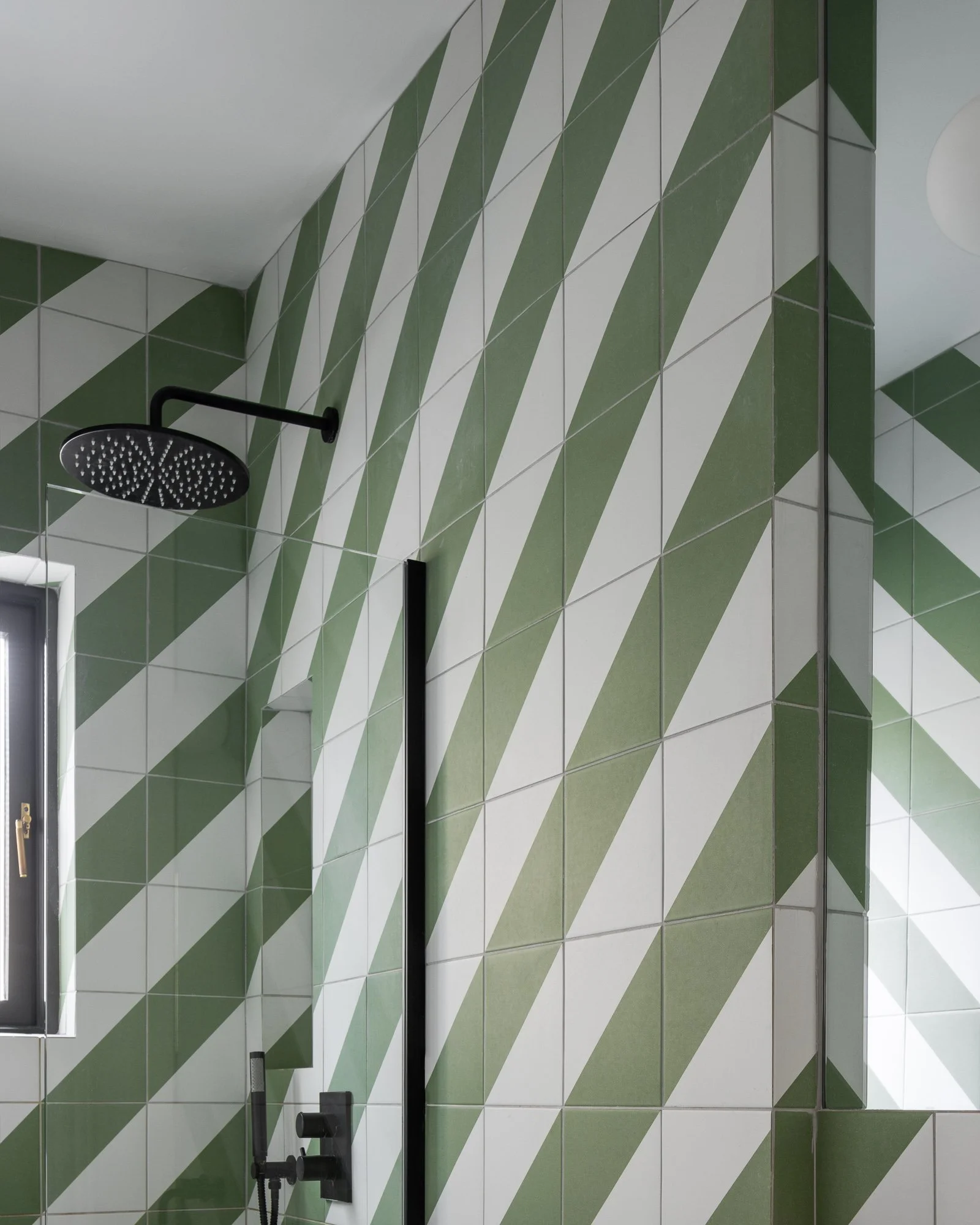
Upstairs, the principal bedroom was reconfigured with a walk-through wardrobe and en-suite, while a new family bathroom serves the remaining bedrooms. A sculptural stair leads to the attic, providing storage and flexibility for future use. Throughout, the project prioritises retention, daylight, and durable materials - celebrating craft, proportion, and contrast, resulting in a home that feels both grounded and adaptable, shaped around the evolving rhythms of family life.